

Do You Actually Like Jesus?
Reflections on serving and leading Gen Z Korean American Christians

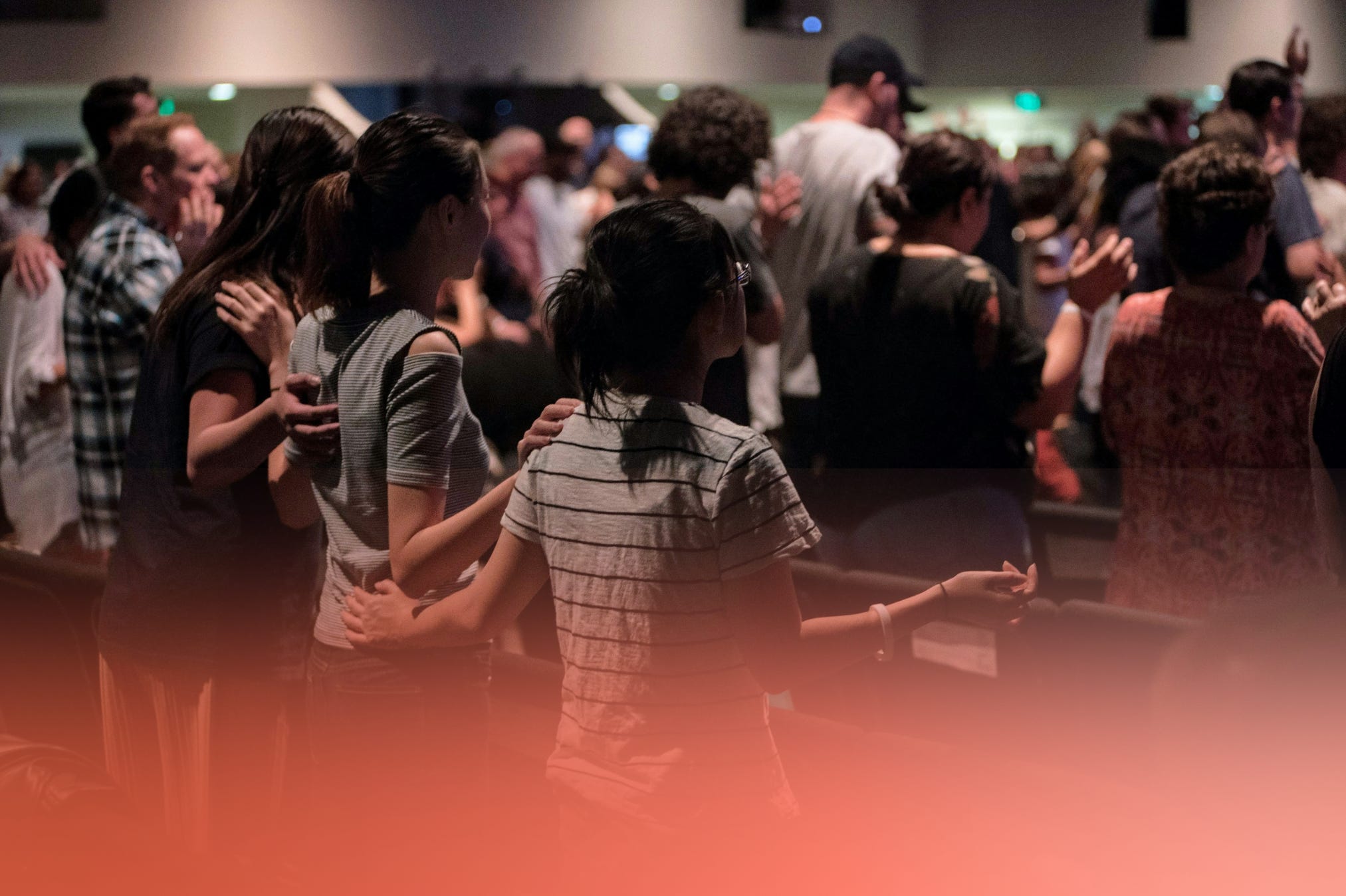
“The days are surely coming, says the Lord, when I will attend to all those who are circumcised only in the foreskin: Egypt, Judah, Edom, the Ammonites, Moab, and all those with shaved temples who live in the desert. For all these nations are uncircumcised, and all the house of Israel is uncircumcised in heart.”
Jeremiah 9:25-26
It is really easy to fake faith.
So, do you actually like Jesus?
That’s the question I threw out to my youth group students recently. We were right in the middle of a sermon series on “Practicing the Way of Jesus,” and I was handing out a list of spiritual practices—things like prayer, fasting, and reading Scripture—when it hit me: what’s the point of these practices if they don’t even like who they are imitating?
What is prayer without delight?
What is service without joy?
What is obedience without Christ?
Serving my local Korean American Presbyterian Church in Palisades Park, New Jersey for over ten years has revealed a recent shift in the narrative of our youth students: it is really easy to fake faith. It isn’t about rebellion anymore. It is about faking it ‘til you hate it.
Serving a Generation of the Elder Son
Previously, in the Korean American church, the majority of the youth chose the path of rebellion to act against the cultural archetype of Confuncian filial piety, resisting the hierarchical structures and fighting the oppressive nature of the “model minority” myth blatantly present both inside and outside the walls of the Asian American church. The prayers lifted by elders were for the prodigal sons and daughters to return home.
Today, the landscape has shifted. We’re serving Gen Z, a generation defined by unprecedented levels of anxiety and isolation. Instead of running away, that very fear has kept them anchored at home. We aren’t looking at the Prodigal Son narrative anymore; we are leading a “generation of the Elder Son.” These Korean American Gen Zers cling on to the Confucian archetypal value for education and even leverage the model minority stereotype to gain access to opportunities to ease their anxiety and instability.
They are constantly performing, and sadly, the performance doesn’t stop at church. The next generation of Korean American Christians have replaced worldly idols with deadly godly idols where they are deceivingly and blindly performing for a god they do not know. And the challenge that youth pastors are facing is that this distrustful obedience, the uncircumcised heart, is hard to identify and discern.
Pastors need to utilize Sunday mornings to remind them that they are not required to do in order to be.
Remedy for Distrusting Obedience
There is a remedy, though. Correcting the posture of distrusting obedience requires the liberating grace of presence. While we cannot manufacture students’ trust in God, we, as youth leaders, can create a safe space where they can pause to encounter Jesus and His saving grace. Before spiritual practices, youth groups in the Asian American church can celebrate non transactional presence. Pastors need to utilize Sunday mornings to remind them that they are not required to do in order to be. And the performance will stop once they experience the power of grace.

Rebecca Baik is an MDiv Student under the Asian American Ministry concentration at Fuller Seminary and a second-generation Korean American who is currently serving as a Youth Pastor at Somahng Presbyterian Church, a local Korean American Church in New Jersey. She lives in Fort Lee with her husband Tae and two kids.
About Centering
Centering: The Asian American Christian Substack is a publication of the Asian American Center at Fuller Seminary (AAC). At the AAC, we train and support Asian American Christian leaders of East, Southeast, and South Asian descent, including multiracial individuals and adoptees – grounding their life and work in over 170 years of Asian American history, and addressing their spiritual and psychological concerns.
We do this work through our cohorts, seminary courses, and the programs of our initiatives. The AAC is home to the Asian American Pastoral Formation Initiative, the Asian American Well-Being Collaboratory, the Asian American Christian History Institute, the Filipino American Ministry Initiative, and the Korean American Ministry Initiative.
For information about Fuller Seminary’s degree programs and continuing education resources, visit fuller.edu.